


Applied Behavior Analysis therapy is one of the most widely used interventions for children with autism. It's also, right now, one of the most scrutinized industries in American healthcare.
A wave of federal and state investigations has uncovered staggering Medicaid billing fraud across the country. Legitimate providers are worried. Families are confused. And policymakers are starting to ask hard questions about whether a $1 billion-plus industry has grown too fast to police.
Here is what is happening, why it matters, and what families and providers should know.
The Fraud Is Real and the Numbers Are Staggering
In March 2026, the U.S. Department of Health and Human Services Office of Inspector General released an audit finding that Colorado made at least $77.8 million in improper Medicaid fee-for-service payments for ABA therapy. That is one state.
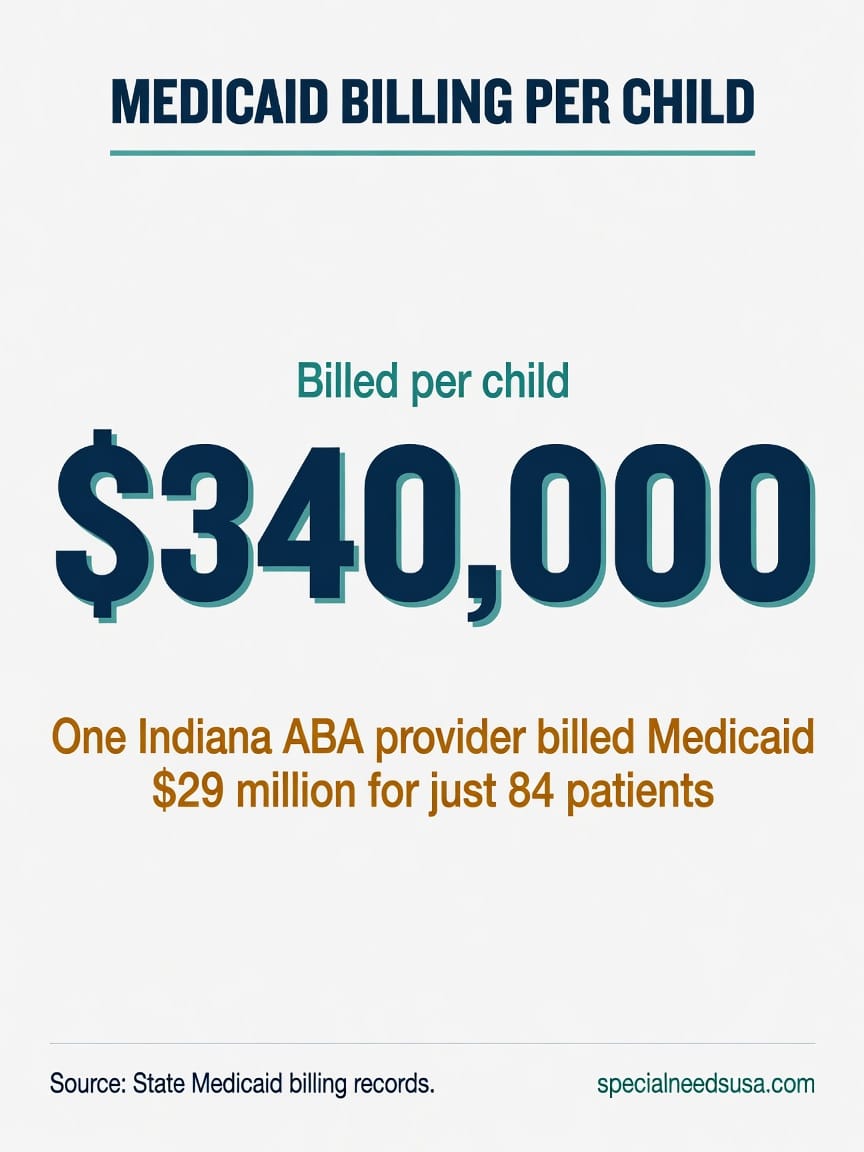
In Indiana, Piece by Piece Autism Centers billed the state $29 million to provide ABA therapy to just 84 patients - roughly $340,000 per child. Indiana's Family and Social Services Administration terminated the provider's agreement and banned it from billing Medicaid entirely.
Federal prosecutors in Minnesota filed what the U.S. Attorney's Office described as the first criminal case tied to fraudulent ABA billing, alleging a woman used shell companies to bill Medicaid for millions in services that were never provided.
The backdrop: Medicaid spending on ABA therapy grew 347% between 2022 and 2025. Projections show it hitting $1.14 billion by 2027. That kind of growth, in any industry, attracts bad actors.
CMS Administrator Dr. Oz and the current administration have flagged ABA as a priority area for fraud enforcement. Investigations are now active in Minnesota, Wisconsin, Colorado, Indiana, and North Carolina, where ABA billing jumped 11,000% in four years.
Legitimate Providers Are Getting Caught in the Crossfire
The professionals who have spent years building ethical ABA practices are watching their field's reputation take a hit they did nothing to earn.
On Reddit's r/ABA and r/bcba communities, the conversation this week is candid and worried. One top post from r/ABA reads: "I am deeply concerned that our field's reputation is going to be tainted by these investigations. I am afraid that these bureaucrats and our current politics are going to decide to clamp down on ABA therapy reimbursements."
That fear is legitimate. When fraud is widespread enough to prompt congressional hearings and federal audits, the policy response often cuts indiscriminately. Arizona families have already felt it: nearly 1,000 children lost ABA therapy coverage after Medicaid insurers ended contracts with major providers in the state.
The risk is that enforcement designed to stop fraud also eliminates access to care for families who need it most.
For a practitioner's perspective on how the industry is navigating this moment, read our conversation with Meaghan Timko, COO of Gradual Behavioral Health, a 25-year ABA veteran who has seen the field evolve from the inside.
Families Are Already Struggling With Access
Before the investigations, access to ABA therapy was already a crisis.
A post on r/sanantonio this week captured what countless families are living: "My son has been on a waitlist since he was 2. He's 6 now. Still waiting."
Families in states where investigations are triggering provider shutdowns face losing care they have already waited years to access. Those without Medicaid face a separate wall entirely. One parent in Grand Rapids posted this week asking about scholarships and grants because they are paying $1,800 per month in daycare for one child while trying to afford ABA copays that private insurance only partially covers.
Any crackdown that reduces the number of operating providers - without a plan to protect existing patients - will make an already dire access situation worse.
If you are searching for ABA providers right now, our therapy center directory can help you find centers by state and location.
The Clinical Debate Is Heating Up at the Same Time
The fraud crisis is landing on top of an existing and growing debate about whether ABA works and whether some versions of it cause harm.
Bloomberg published a major investigation in May 2026 questioning ABA's effectiveness and documenting how the industry often prescribes intensive treatment - sometimes 40 hours per week - to young children with autism. The 74 Million published a blunter headline: "America's Most Popular Autism Therapy May Not Work - and May Seriously Harm Patients' Mental Health."
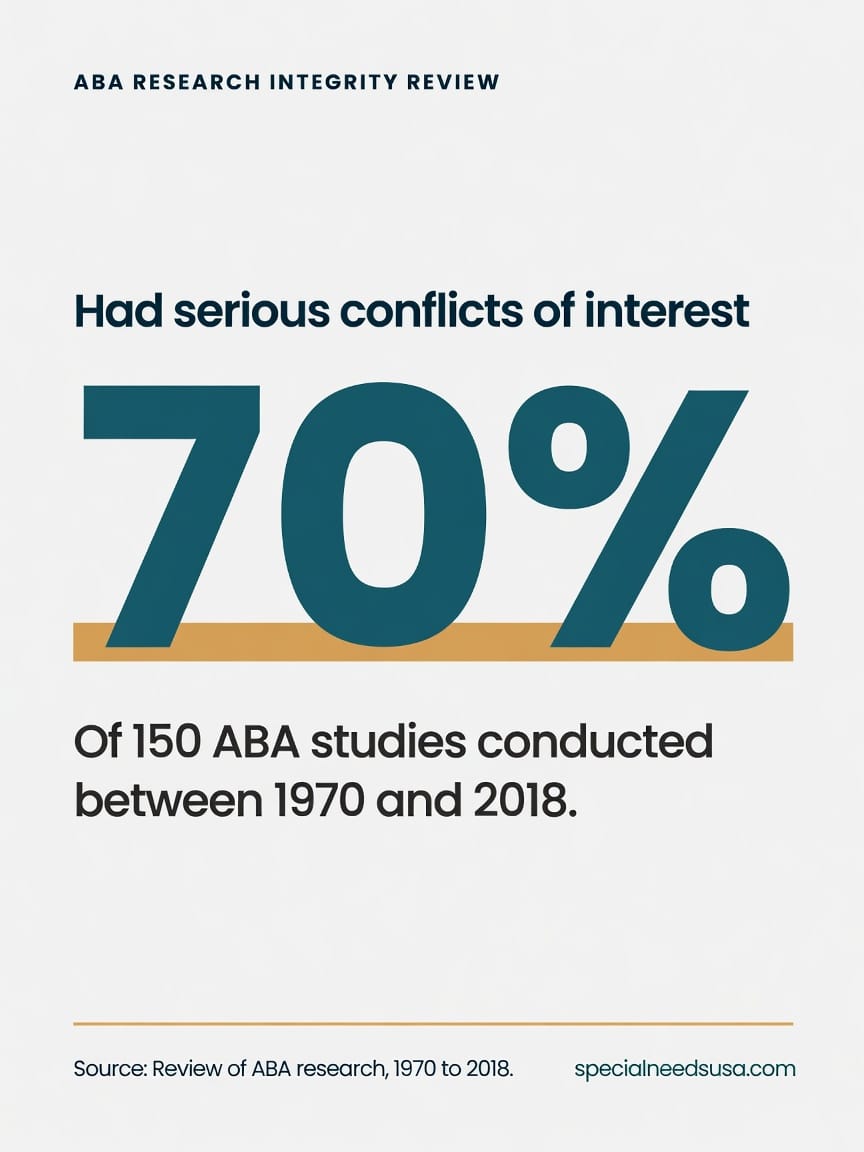
The core criticism from autistic adults is about masking. ABA has historically been used to train autistic children to suppress natural behaviors and appear more neurotypical. Research links masking to exhaustion, anxiety, and long-term mental health consequences. Of 150 ABA studies conducted between 1970 and 2018, 70% had serious conflicts of interest.
The counterpoint: newer ABA approaches are meaningfully different from what critics describe. Parents on r/Autism_Parenting are actively noting the distinction. One parent this week described green flags with their toddler's new provider: "the fact they're not trying to stop his stims and focusing on safety and communication instead of masking is a huge difference from old ABA methods."
The Surgeon General and the American Psychological Association still recognize ABA as a best practice. But the field itself is in the middle of a reckoning about what that practice should look like.
What Families Should Do Right Now
If your child is currently receiving ABA therapy: the fraud investigations are targeting provider billing practices, not families. Your child's care is not in immediate jeopardy unless your specific provider is under investigation or loses its Medicaid contract. Monitor your state's Medicaid news and stay in communication with your provider.
If you are on a waitlist: document everything and keep your spot. Coverage disruptions may create unexpected openings at some providers while closing others. Cast a wide net.
When evaluating any provider: ask about supervision ratios, BCBA credentials, and what the treatment plan focuses on. Green flags include communication goals, family involvement, and explicit statements that stimming is not a target behavior. Red flags include vague billing, high staff turnover, and pressure to increase hours without clear clinical rationale. Our guide to choosing an autism therapy center covers what to ask at intake and what to watch for in the first few months.
If you have Medicaid: understand your rights. If a provider loses its contract, you have the right to transition planning and help finding a new provider. Contact your state's Medicaid office proactively.
Looking for ABA therapy options?
Tell us your child's needs and location, and we'll match you with ABA therapy providers in your area. Free for families.
Free for families.
The Bottom Line
The ABA therapy industry has a fraud problem, an access problem, and a clinical credibility problem - all at the same time. These are separate issues that policy and media coverage are collapsing into one.
Fraudulent providers should be investigated and prosecuted. That is not controversial.
What matters is that enforcement is precise enough to protect the families and providers doing things right. A blunt policy response that cuts Medicaid reimbursements across the board would punish the very people the system is supposed to serve.
The families on waitlists, the BCBAs building ethical practices, and the children in therapy did not create this problem. They should not bear the cost of cleaning it up.
Looking for ABA therapy options?
Tell us your child's needs and location, and we'll match you with ABA therapy providers in your area. Free for families.


