How does Wide differ from other potty training methods?
+
Wide is not a traditional scheduled bathroom routine, reward chart, or a generic toilet training video. Our personalized FROM → TO method starts with an ability your child already has and the target they are working toward. Using picture based practice in a simplified, noise reduced version of their own familiar environment, your child rehearses that change digitally. A dedicated Wide Toilet Training Expert supports the family and adapts the practice based on real life observations.
Does autism affect potty training?
+
Autism can affect toilet learning through differences in sensory processing, communication, transitions, and awareness of body signals. Some children find a bathroom overwhelming or have difficulty communicating a need. Wide personalizes digital toilet training practice to the child’s current abilities and familiar environment rather than expecting every child to learn in the same way.
What if my autistic child refuses to sit on the toilet?
+
We begin with an ability your child already has. The first personalized FROM → TO target may involve approaching the bathroom, entering it comfortably, or becoming familiar with their own toilet. Wide practice takes place on a touchscreen; it is not a requirement for your child to sit on the toilet for ten minutes. We also discuss any distress or physical discomfort with the family.
Does my child need to speak or follow instructions to use Wide?
+
Speech is not required to explore whether Wide is suitable. We assess the child’s ability to engage with a touchscreen and learn how they communicate, whether by speech, gesture, pictures, or another method. We personalize the activity to their abilities.
At what age can an autistic child begin toilet training with Wide?
+
Our three-month family program is designed for autistic children ages 2 to 18. Children can join whether this is their first attempt at toilet training or they have been trying for a long time. We explore each child’s starting point and fit during a free consultation.
My child is older and still not toilet trained. Is it too late?
+
No. Toilet training needs vary across childhood and adolescence. Wide’s family program includes autistic children up to age 18. We start with what your child can do today and identify a personalized target, without assuming the same starting point or timeline for every child.
What are autism potty training visuals, and how is Wide different?
+
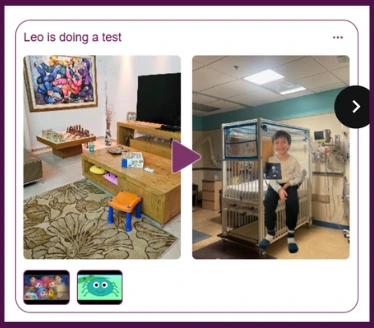
Traditional potty training visuals often show general pictures or a bathroom routine. Wide uses still pictures of your child and their own environment, simplified into a noise reduced digital practice. The child sees a familiar representation of the ability they are working toward and rehearses it on a touchscreen.
What if my child has potty training regression?
+
Changes in routines, settings, comfort, or health can affect toilet training progress. A Wide Toilet Training Expert reviews what has changed in real life and can adjust the personalized digital practice. Sudden changes, pain, constipation, withholding, or urinary symptoms should also be discussed with your child’s healthcare clinician.
What do parents need at home?
+
You need any touchscreen your child can use, a workable time and place for ten minutes of daily digital practice, and a way to stay in touch with your Wide Toilet Training Expert. We explain how to prepare the personalized pictures and set up the practice after your free consultation.
How long is the Wide family toilet training program?
+
Wide offers a personalized three-month toilet training journey with ten minutes of child facing digital practice a day and ongoing guidance from a Wide Toilet Training Expert. Your child’s progress is reviewed in real life and outcomes vary. Three months is the program duration, not a promise of full toilet independence by a fixed date.
Can Wide help if my child has constipation or pain?
+
Pain, constipation, stool withholding, urinary symptoms, or a sudden change in toileting require medical attention. We raise health concerns during the first consultation and recommend speaking with your child’s clinician when appropriate. Wide does not diagnose or treat medical conditions.