

10 Best ABA Therapy Providers in Austin, TX (2026)
Compare 31 ABA providers serving Austin. Explore the full ranked list and find a provider that feels right for your child.






Need ABA therapy options near Austin, Texas?
Share your child's age, timeline, and session preference. We'll help you compare nearby therapy centers that fit.
Free for families

Guidepost ABA


We take a unique, neuro-affirming approach to ABA. Children are always met where they are, and goals are built collaboratively with parents and caregivers. We NEVER push kids to do behaviors they are uncomfortable with. We believe lasting change happens in supportive, caring environments.
- In-home
- School-based
- Telehealth


Call Guidepost ABA
(346) 512-3976






Other ABA Providers in Austin

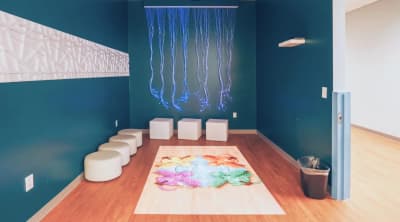
Ally Behavior Centers
ListedAlly Behavior Centers represents a gold-standard model of intensive, center-based autism therapy, offering a comprehensive suite of services specifically tailored for the critical early intervention years. Founded in 2019 by a collective of clinical experts, Ally was established with a mission to move beyond traditional therapy models and provide a truly "person-centered" hub for children on the autism spectrum. Since its inception in the D.C. area, the organization has expanded its footprint into Texas, bringing its high-intensity program to Austin families who seek a 360-degree approach to their child's development. Ally differentiates itself by functioning as a one-stop clinical home, integrating ABA therapy with on-site speech and occupational therapies, as well as providing in-house autism diagnostic testing to reduce the long wait times often faced by families in Central Texas. The Ally clinical model is built upon the principle of high-quality, data-driven supervision that ensures no child gets "lost in the shuffle" of large-scale operations. While the industry average for BCBA-to-client ratios is often as high as 15:1, Ally strictly maintains an elite 8:1 ratio. This allows their Board Certified Behavior Analysts (BCBAs) to provide more direct, hands-on supervision and to make immediate, real-time adjustments to treatment plans based on a child's daily progress. Their staffing excellence is further evidenced by a remarkably low 6.3% turnover rate among clinical leadership, ensuring that children build stable, trust-based relationships with their care team—a critical factor in the speed of developmental progress. The program itself is designed for children aged 18 months to early elementary years, focusing on the most formative developmental window when brain plasticity is at its peak. Ally operates a full-time schedule (30-40 hours per week), creating a structured environment that mimics the dynamics of an inclusive school setting. This "Classroom Readiness" focus ensures that children doesn't just learning isolated skills at a table, but are being prepared for a successful, independent transition into traditional educational environments. Multidisciplinary integration is not just a secondary service at Ally; it is a cornerstone of the therapy experience. On-site Speech-Language Pathologists (SLPs) and Occupational Therapists (OTs) collaborate directly with ABA clinicians on a daily basis, ensuring a cohesive clinical experience. This seamless integration means that communication and sensory goals are reinforced throughout the child's entire day, instead of in isolation. For example, a child's non-verbal communication goal might be worked on during a structured ABA task, then further supported by an SLP during a group social activity, and reinforced again through occupational therapy techniques that address motor planning or sensory processing. This holistic approach simplifies the logistical burden for Austin parents—eliminating the need for multiple trips across wait-listed clinics—while maximizing the total therapeutic impact for the child. Furthermore, Ally provides comprehensive diagnostic evaluations conducted by licensed psychologists, allowing families to move from assessment to intensive treatment under one roof. Parental partnership is the final essential piece of the Ally Behavior Centers philosophy. They recognize that for therapy to be truly effective, it must extend beyond the center walls and permeate the child's home life. Families receive meaningful monthly parent training sessions designed to review clinical data, celebrate major milestones, and provide practical, evidence-based tools for the home environment. The enrollment process is designed to be equally supportive, starting with a rapid insurance benefits check and a personal tour of their modern, child-friendly facility. Ally works with virtually all major private insurance providers to maximize coverage and provides clear, transparent cost estimates before any commitment is made. By combining elite clinical standards, a dedicated long-term staff, and a warm, inviting facility, Ally Behavior Centers in Austin provides local families with the clarity and support they need to navigate the autism journey with confidence, transparency, and clinical excellence.
- Center-based
- Medicaid
- Autism Testing
- Occupational therapy

Austin's Communication Station
ListedAustin's Communication Station is a privately owned pediatric clinic specializing in Speech Therapy, Occupational Therapy, and Social Skills training. They treat children from birth to age 21 in a fun, family-friendly environment designed to make therapy feel like play. The clinic boasts over 6,000 square feet of kid-friendly space, featuring therapy gyms equipped with rock walls, ball pits, swings, and obstacle courses to support sensory integration and gross motor development. Their diverse team of therapists collaborates to offer a holistic approach, addressing executive functioning, feeding challenges (picky eaters), and social communication deficits. Uniquely, they offer "Executive Functioning Therapy" to help children manage daily tasks and "Social Communication Therapy" that goes beyond pronunciation to foster true connection. Their mission is to help kids go from "quiet to confident" through innovative, evidence-based care.
- Center-based
- Speech therapy
- Occupational therapy
- Sensory Integration
Behavioral Innovations - Oak Hill
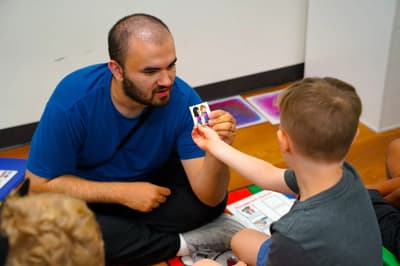
ListedWest Oak Hill is our ABA center for children in southwest Austin and nearby communities. We provide center-based ABA for children ages 18 months through 10 years, and the local program also offers autism evaluations and social-skills training for school-aged children. At 8517 Farm to Market Road 1826, the center is open weekdays from 8 a.m. to 6 p.m.
- Center-based
- Medicaid
- Telehealth
- Evaluations
Bluebird Behavioral Solutions
ListedBluebird Behavioral Solutions offers ABA therapy in the Austin area for children, teens, and adults on the autism spectrum. The team focuses on assent-based ABA, which means therapy is collaborative and respectful, with goals that fit each person and family. Services cover communication, play and daily routines, school readiness, self-help, behavior support, and social skills. For teens and adults, support can include vocational skills, independent living, and emotional regulation. Sessions often take place at home and in everyday community settings, not only in a clinic, so skills are easier to use where life actually happens. Bluebird emphasizes evidence-based, family-partnered care. Families can request a complimentary consultation to learn how services are structured and whether the fit is right for you.
- Community-based
- In-home
- Behavior Support
- Parent training
Building BLOCS
ListedBuilding BLOCS is a highly respected, clinician-owned therapy center in Austin, Texas, that has redefined the standard of early intervention through a unique, multidisciplinary integration of Speech-Language Pathology and Applied Behavior Analysis (ABA). Founded in 2010 by Brandy Windham, M.A., CCC-SLP, BCBA, LBA, and Christie Layton Petersen, M.Ed., BCBA, LBA, the center was born out of a shared vision to create a therapeutic environment that reflects "how therapy should be"—effective, deeply engaging, and fundamentally child-centered. Brandy, a University of Texas at Austin alumna with a background in special education and speech therapy, and Christie, a certified special education teacher and BCBA, combined their expertise to address a critical gap in the market: the need for a collaborative approach where language acquisition and behavioral support are addressed as inseparable components of a child's development. The core curriculum at Building BLOCS is the Early Start Denver Model (ESDM), a comprehensive, play-based intervention specifically designed for toddlers and preschoolers. Unlike more traditional, table-based ABA, ESDM focuses on naturalistic developmental behavioral intervention (NDBI), where learning occurs within the context of social play and daily routines. At Building BLOCS, therapy is intentionally indistinguishable from play. Children might be working on communication goals while building a block tower or practicing social turn-taking during a dramatic play session. This "play-first" philosophy ensures that children remain intrinsically motivated and happy, which Building BLOCS believes is the only way to achieve meaningful, long-term developmental breakthroughs. Their Intensive Early Intervention Program serves children from 12 months to 5 years old, utilizing literacy-based thematic units that prepare young learners for the transition into preschool or kindergarten settings. What truly distinguishes Building BLOCS in the Austin landscape is their commitment to "Generalization Fridays." Recognizing that skills learned in a center must be functional in the real world, the center dedicates Fridays to in-home sessions. During these visits, therapists work directly with children and their families in their natural environment, using the child’s own toys and navigating real-life routines like potty training or mealtime challenges. This family-centered approach ensures that progress isn't confined to the clinic walls but is actively enriching the family’s daily life. Building BLOCS has intentionally chosen to remain a small, boutique-style business to maintain this high level of clinical intimacy and effectiveness. The founders are not corporate executives; they remain deeply active in clinical work and serve as educators at UT Austin, training the next generation of therapists. The clinical team at Building BLOCS is composed of Registered Behavior Technicians (RBTs) and BCBAs who are specialists in the ESDM methodology. The center is known as a premier training ground for ABA professionals in Central Texas, fostering a culture of continuous learning and ethical practice. Their multidisciplinary model means that behavior therapists and speech-language therapists collaborate on the same goals, ensuring a cohesive experience for the child. While the center’s high demand has led to a significant waitlist, the owners remain committed to their small-scale model and actively encourage families to seek early intervention elsewhere if they cannot be served immediately, prioritizing the child's developmental window over business expansion. For Austin families seeking a sophisticated, play-based, and deeply collaborative therapy home, Building BLOCS represents a gold standard in early childhood intervention.
- Center-based
- Early intervention
- Social skills
- Speech therapy
Butterfly Effects - Austin
ListedButterfly Effects in Austin, Texas, is a premier provider of in-home Applied Behavior Analysis (ABA) therapy. They bring high-quality, individualized care directly to families, allowing therapy to occur in the child's natural environment where skills are most needed. This approach facilitates better generalization of skills to daily routines and fosters strong family involvement. Their services are designed for children affected by autism spectrum disorder, focusing on improving social skills, communication, and daily living abilities while reducing problem behaviors. Butterfly Effects creates personalized treatment plans based on the unique goals of each family. Treatment is delivered by Registered Behavior Technicians (RBTs) under the close supervision of Board Certified Behavior Analysts (BCBAs). In addition to in-home therapy, they emphasize parent training to empower caregivers with the tools to support their child's growth. By working in the home, Butterfly Effects helps children thrive in their everyday lives.
- In-home
- Telehealth
- Parent training
CARD - Center for Autism and Related Disorders
ListedThe Center for Autism and Related Disorders (CARD) in Austin is part of one of the world's largest and most experienced organizations treating autism spectrum disorder. Located on Research Blvd, CARD Austin provides top-quality Applied Behavior Analysis (ABA) therapy based on over 30 years of research and clinical excellence. CARD's comprehensive curriculum covers a wide range of skills, from foundational communication and adaptive behavior to higher-level executive functioning. They use a proprietary data system to track every aspect of a child's progress, ensuring that treatment plans are constantly monitored and adjusted for maximum effectiveness. Services specifically include center-based ABA, home-based therapy, and specialized parent training. CARD is dedicated to helping individuals with autism fulfill their potential and lead independent, meaningful lives.
- Center-based
- In-home
- Medicaid
- Telehealth
Central Texas Autism Center (CTAC)
ListedCentral Texas Autism Center (CTAC) is a world-renowned provider of Applied Behavior Analysis (ABA) therapy in Austin, utilizing the Verbal Behavior (VB) approach. Founded by Kelle Wood Rich, a pioneer in the field, CTAC offers cutting-edge, intensive therapy programs for children with autism and related disorders. CTAC's "Buds, Bridges, and Beginnings" programs are specifically designed for different developmental stages, ensuring targeted intervention for early learners through school-age children. They provide a center-based full-day program that mimics a school environment to prepare children for classroom success. Unlike many other centers, CTAC employs a high number of BCBAs who provide direct therapy, ensuring the highest level of expertise in daily interactions. In addition to center-based care, they offer home/school consultation and parent training. CTAC is also a training hub for professionals, hosting the annual Verbal Behavior Conference.
- Center-based
- School-based
- Verbal Behavior

Cultivate Behavioral Health & Education
ListedCultivate Behavioral Health and Education runs an ABA therapy center in Northwest Austin at 6611 River Place Blvd, Suite 105, Austin, TX 78730. The clinic is open Monday through Friday, 8:00 a.m. to 6:00 p.m. Families in Austin, Steiner Ranch, Four Points, and nearby areas often use this location for center-based care. Board Certified Behavior Analysts and behavior therapists deliver ABA focused on communication, social skills, behavior regulation, and daily living skills. Cultivate emphasizes working closely with parents so strategies practiced in sessions carry over at home and school. Many major insurance plans are accepted. Coverage always depends on your child's policy, so the intake team can walk you through benefits and next steps to get started.
- Center-based
- In-home
- Medicaid
- Mental Health Support

Cultivate Behavioral Health & Education - Austin
ListedCultivate Behavioral Health & Education is a dedicated provider of expert ABA therapy in Austin, Texas, offering a supportive and compassionate environment for children with autism. Their clinical approach is built on a foundation of teamwork, where BCBAs, RBTs, and families collaborate closely to create and implement highly individualized care plans. Cultivate offers a comprehensive range of services, including clinic-based therapy for focused learning, in-home services for skill building in a natural environment, and school-based support to help students navigate educational challenges. Their programs are designed to address a wide spectrum of needs, from foundational communication and social skills to daily living and independent functioning. Cultivate's team-based model ensures that every child benefits from a diverse range of clinical expertise and constant peer review, maintaining the highest standards of evidence-based practice. They place a strong emphasis on fostering meaningful relationships, believing that a child's connection with their therapy team is key to unlocking their potential. Beyond direct therapy, Cultivate provides extensive parent training and support, empowering caregivers to be active participants in their child's journey toward independence. With multiple locations and a dedication to accessibility, Cultivate works with a wide range of insurance providers to make quality autism services available to the Austin community. For families seeking a compassionate, collaborative, and expert-led partner in behavioral health, Cultivate Behavioral Health & Education offers a path toward growth and milestone moments.
- Center-based
- In-home
- Medicaid
- Parent training
First Leap - Austin
ListedFirst Leap in Austin is a multidisciplinary pediatric therapy provider offering Applied Behavior Analysis (ABA), Speech Therapy, and Occupational Therapy. They serve families in Austin, Georgetown, and surrounding Central Texas areas. Their holistic model allows for seamless collaboration between different therapeutic disciplines, ensuring a comprehensive treatment plan for each child. First Leap offers flexible service delivery options, including clinic-based therapy, in-home visits, and community-based support. They are committed to meeting children where they are, physically and developmentally. Their team of highly trained therapists works together to address a wide range of needs, from communication delays to sensory processing issues and behavioral challenges. They emphasize "working WITH you" to create effective treatment plans, highlighting their dedication to family partnership and individualized care.
- Center-based
- Community-based
- Medicaid
- Telehealth

Kyo - Austin
ListedKyo, formerly known as Gateway Learning Group, is a national leader in autism therapy that has maintained a strong, personalized presence in Austin, Texas, since its founding in 2005. The organization was co-founded by Melissa Willa, MA, BCBA, a former special education teacher whose life was changed by working with children with autism. Melissa witnessed firsthand the immense struggle families faced in accessing effective, evidence-based intervention, and she felt a deep calling to create a multidisciplinary home for high-quality care. Kyo was built on a foundation of autism acceptance, with a core mission of helping children reach their potential by leveraging their unique gifts and personal interests. Today, Kyo is a prominent name in the ABA community, known for integrating a sophisticated developmental framework with naturalistic ABA principles to provide a therapy experience that is as fun and engaging as it is clinically effective. The "Kyo way" is defined by a naturalistic, child-centric approach that significantly diverges from the older, more rigid models of behavior therapy. Their methodology, which aligns closely with Naturalistic Developmental Behavioral Interventions (NDBI), focuses on teaching vital skills within the context of play and everyday activities. At Kyo, a therapy session might look like playing at a neighborhood park in Westlake or baking cookies in a family kitchen in Cedar Park—transforming these ordinary moments into rich opportunities for learning. By following the child's lead and using what motivates them—whether it's a passion for dinosaurs or a love of music—Kyo ensures that children are active, joyful, and intrinsically motivated to communicate and socialize. This naturalistic focus not only makes therapy more enjoyable for the child but also drastically improves the generalization of skills across different settings and people. Kyo’s clinical excellence is supported by an industry-leading Scientific Advisory Board, featuring world-renowned researchers like Dr. Catherine Lord, PhD. This partnership ensures that every clinical program is grounded in the latest peer-reviewed research and high-quality patient outcomes. In Austin, Kyo serves a vast area, providing in-home, school-based, and community-based services from Buda to Round Rock and everywhere in between. Their use of technology is another key differentiator; the Kyo Care mobile app provides families with a convenient and transparent way to manage their child's treatment, track progress, and communicate with their clinical team in real-time. This emphasis on convenience and accessibility helps reduce the logistical burden on families, making it easier to integrate intensive therapy into their daily lives. The staff at Kyo is described by both parents and industry peers as some of the most qualified and compassionate individuals in the field. Board Certified Behavior Analysts (BCBAs) design and oversee every individualized treatment plan, providing intensive supervision and live modeling to the behavior therapists who work directly with the children. Kyo places a heavy emphasis on parent coaching, viewing it not as an "add-on" but as a core component of a child's success. Through 1:1 sessions, parents learn customized ABA strategies that align with their family’s specific goals and values, empowering them to become their child’s most effective advocates. Kyo is committed to broad accessibility, participating as an in-network provider with most major private insurance companies, as well as TRICARE and Medicaid. For Austin families seeking a sophisticated, technology-enabled, and deeply compassionate partner in their child’s development, Kyo offers a "different kind of ABA" that celebrates the individual and prioritizes meaningful, life-changing progress.
- In-home
- School-based
- Medicaid
- Telehealth
One of The Kids - Austin
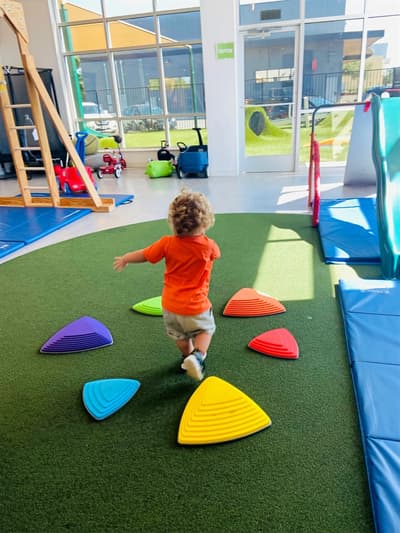
ListedOne of the Kids in Austin (serving South Austin and Cedar Park) offers a unique, holistic approach to Applied Behavior Analysis (ABA) therapy. They integrate ABA with other enrichment activities, including speech therapy, occupational therapy collaboration, and a standout aquatics program with an onsite pool. Their philosophy centers on creating a "balanced" approach that combines therapeutic rigor with fun, sensory-friendly environments. Facilities feature indoor gyms, outdoor playgrounds, and climbing walls to manage sensory needs and keep children engaged. They offer 1:1 ABA therapy, school readiness programs (OOTKS Academy), and social skills groups. One of the Kids is locally owned and emphasizes a community-feel, ensuring every child feels accepted and supported. Their multidisciplinary model allows for comprehensive development across communication, motor, and social domains.
- Center-based
- Speech therapy
- Occupational therapy
- Aquatic Therapy
PBS Corp - Austin
ListedPositive Behavior Supports Corporation (PBS Corp) is a nationally recognized, clinical-first organization in Austin, Texas, providing a sophisticated and research-based alternative to traditional center-based ABA therapy. Founded in 2007 by Michael Nolan, Ph.D., BCBA-D, PBS Corp is distinguished by its unique structural integrity: it is 100% BCBA-owned with no outside private equity investors. This independence ensures that every clinical decision is driven by patient outcomes and quality of care instead of investor profit margins. With over 15 years of established history, PBS Corp has evolved the principles of Applied Behavior Analysis into a holistic "Positive Behavior Support" model, focusing on decreasing challenging behaviors while aggressively building the functional skills necessary for an individual to thrive in their most natural environments—their homes, their schools, and their broader community. The PBS Corp community-based model is its primary differentiator in the Austin market. Unlike providers that require families to commute to a central clinic, PBS Corp brings the clinical expertise to where life actually happens. This allows Board Certified Behavior Analysts (BCBAs) and Registered Behavior Technicians (RBTs) to address complex behaviors in the exact context they occur, whether that's a playground in Round Rock, a classroom in Cedar Park, or a family dinner table in Barton Creek. This naturalistic approach significantly improves the generalization of skills, ensuring that what a child learns in therapy is immediately applicable and durable in their real-world routines. This model also serves as a critical bridge for the adolescent and adult populations, as PBS Corp is one of the few providers in Central Texas with the lifespan capacity to support individuals well into adulthood, focusing on vocational independence and community participation. Clinical excellence at PBS Corp is managed through a multi-tiered regional support system. The Austin regional team is led by a dedicated Clinical Director and Regional Coordinator who provide constant oversight and development for the local clinical staff. This structure ensures that even in a decentralized in-home model, therapists receive high-quality supervision and ongoing professional development, including access to hundreds of continuing education credits. This result-driven culture is reflected in their high employee approval ratings and a reputation for being an "Outcome-Driven" organization. PBS Corp also prides itself on its accessibility and responsiveness; through their Client Resource Center, they commit to providing families with a status update on their service request within just two business days, streamlining the often-frustrating authorization process. Family empowerment is the cornerstone of the Positive Behavior Support philosophy. PBS Corp views parents not as observers, but as integral collaborators in the therapeutic process. Assessments are conducted jointly with families, and behavior intervention plans are created with significant parent input to ensure they align with the family's unique quality-of-the-life goals. Through the secure Parent Portal, families have transparent, 24/7 access to clinical documentation and progress reports, fostering a culture of accountability and shared success. PBS Corp is deeply committed to serving the diverse Austin community, participating as an in-network provider with nearly all major commercial insurance companies, TRICARE, and extensive Texas Medicaid plans. For families seeking a sophisticated, clinical-first partner who values dignity, naturalistic learning, and long-term quality of life, PBS Corp provides a premier path to independence across the entire Austin metropolitan area.
- Community-based
- In-home
- Medicaid
- Evaluations

Sandbox ABA - Austin
ListedSandbox ABA in Austin provides compassionate, quality Applied Behavior Analysis (ABA) therapy for children of all ages. With locations on Burnet Rd and Marathon Blvd, they offer a supportive environment where children can learn and grow. Their mission is to create specific, individualized programs that honor each child's unique needs and personality. Sandbox ABA's approach creates a "second family" feel, moving away from corporate clinical vibes to a more community-focused atmosphere. They utilize evidence-based strategies to teach socially significant behaviors such as communication, play, and social engagement. Their team places a high premium on transparency and parent support, helping families navigate the complexities of raising a child with autism. They offer free consultations to ensure they are the right fit for your family and provide a comprehensive range of services including assessments, direct therapy, and staff/parent training.
- Center-based
- Assessments
- Intensive Interventions

Success On The Spectrum - Wells Branch
ListedOur Wells Branch center provides applied behavior analysis (ABA) therapy in a center-based program. Children work one to one with staff and take part in activities that build communication, social interaction and life skills. Parent involvement is part of the program, and the center offers safety-care and social-skills programming. The location is at 2013 Wells Branch Parkway, Suite 113, in Austin.
- Center-based
- Parent training
- Safety-Care
- Social skills

Texas ABA Centers - Austin
ListedTexas ABA Centers in Austin provides comprehensive, home-based Applied Behavior Analysis (ABA) therapy, bringing expert care directly to families. They are dedicated to removing barriers to treatment by offering services without long waiting lists and providing quick access to autism diagnostic evaluations. Their approach focuses on delivering therapy in the child's natural environment, which promotes better skill generalization and comfort. Services include individualized ABA therapy, social skills training, and extensive parent guidance. They serve children and teens, adapting their strategies to meet the developmental needs of each age group. Texas ABA Centers is committed to high standards of care and family support, handling insurance verification and authorizations to make the process smoother for parents.
- In-home
- Autism Diagnosis
The Autism Clinic - Austin
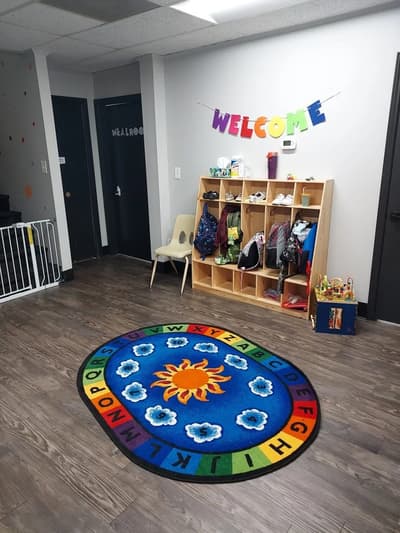
ListedThe Autism Clinic in Austin provides specialized Applied Behavior Analysis (ABA) therapy for young children ages 2 to 8. Located at 12885 Research Blvd (Northwest Austin), this clinic offers early intensive behavioral intervention with a focus on 1:1 therapist-to-child ratios. They are committed to serving a diverse community, offering bilingual therapy, translation, and interpretation services to ensure clear communication with all families. Their program emphasizes school readiness, peer play, and social interaction within a structured yet flexible environment. The Autism Clinic emphasizes strong family relationships, offering parent training to help caregivers foster their child's progress at home. They serve families across Austin, Cedar Park, Round Rock, and surrounding areas. In addition to core ABA services, they provide diagnostic evaluations and collaborate with schools to support students in educational settings.
- Center-based
- School-based
- Parent training
- Bilingual
Training Wheels ABA - Austin
ListedTraining Wheels ABA in Austin is an innovative behavioral health clinic specializing in early intervention for children ages 18 months to 10 years. Their model is grounded in B.F. Skinner's analysis of Verbal Behavior, prioritizing functional communication—whether spoken, sign language, or gesture—as the foundation for learning. The center utilizes a transparent, data-driven approach where parents can view their child's progress via specialized software. Training Wheels ABA fosters a community-centric environment, welcoming outside professionals and caregivers to collaborate in the therapeutic process. They focus on 1:1 individualized instruction to maximize learning outcomes. Located in South Austin, they are dedicated to empowering families and enriching the lives of children through compassionate, evidence-based care.
- Center-based
- Medicaid
- Early intervention
ACES - Austin
ListedACES provides individualized ABA therapy and autism support for children and families in the Austin area. Services include in-home care, telehealth, family training, and school support, with goals that may address communication, behavior, social participation, and daily routines. Treatment is planned with the family and adjusted as the clinical team measures progress.
- Center-based
- In-home
- Telehealth
Austin family guide
ABA Therapy in Austin, TX: What Families Should Know
ABA therapy in Austin is delivered by private clinics and in-home teams across Travis and Williamson counties, and it is paid for by commercial insurance, Texas Medicaid (through age 20), or TRICARE. Children under 3 start with Texas Early Childhood Intervention (ECI), which needs no diagnosis, while children 3 and older can get a free school evaluation from Austin ISD or a suburban district alongside a medical autism diagnosis. State-regulated health plans must cover ABA for a child diagnosed before age 10, with no annual dollar cap until the 10th birthday.
ABA therapy options in Austin
In-home ABA
Many Austin providers send Registered Behavior Technicians to the family home, with a BCBA visiting to supervise and coach parents. Ask whether a technician already covers your ZIP code, especially in eastern Travis County, Manor, Del Valle, or Dripping Springs.
Center-based ABA
Clinics in North Austin, Round Rock, Cedar Park, and South Austin offer structured one-to-one teaching plus small-group play and school-readiness routines. Compare drive time across the river carefully, because a 20-plus hour weekly schedule means two trips a day.
School and daycare support
Some Austin teams run sessions inside a daycare or preschool and coordinate goals with the child's Austin ISD, Pflugerville ISD, or Round Rock ISD team. Ask the provider and the school in writing before assuming a technician can join the classroom.
Telehealth parent coaching
BCBA-led parent training by video is a covered part of most ABA plans and can start while a family waits for a direct-therapy opening. It works best for routines such as mealtimes, bedtime, and transitions that happen at home.
Autism evaluations
Insurers and Texas Medicaid need a documented autism diagnosis before they authorize ABA. Austin families use Dell Children's Developmental Behavioral Pediatrics, the Texas Child Study Center, or a licensed private psychologist for that evaluation.
How to start ABA therapy in Austin
- 1
Confirm the diagnosis and coverage
Insurers and Texas Medicaid authorize ABA after a licensed physician or psychologist diagnoses autism. Call the member number on your card and ask whether ABA needs prior authorization.
- 2
Compare Austin providers
Use the provider list on this page to check settings, ages served, and insurance. Shortlist two or three that fit your schedule and location.
- 3
Ask the intake questions that matter
Ask about current intake timing, in-network status for your exact plan, who writes the treatment plan, and how parent training works.
- 4
Get matched if you want help
Tell us your child's age, coverage, and preferred setting. We share options in and around Austin that fit. It is free for families.
Does insurance cover ABA therapy in Austin?
Medicaid in Travis County
Texas Medicaid covers ABA for members age 20 or younger with an autism diagnosis, with prior authorization from the child's health plan. In the Travis service area, STAR Kids members use Blue Cross and Blue Shield of Texas or Superior HealthPlan; STAR and CHIP members choose among Blue Cross and Blue Shield of Texas, Superior, and Dell Children's Health Plan (HHSC plan map, September 2026). Families can find Medicaid-enrolled Licensed Behavior Analysts through TMHP's Online Provider Look-up at opl.tmhp.com.
Private insurance
Texas Insurance Code 1355.015 requires state-regulated health plans to cover ABA for a child diagnosed with autism before age 10, and plans may cap ABA at $36,000 a year only from age 10. Many large Austin employers run self-funded plans that follow federal ERISA rules instead, so ask HR whether your plan is fully insured or self-funded before you call providers.
Plans Austin families often ask about:
- Blue Cross and Blue Shield of Texas
- UnitedHealthcare
- Aetna
- Superior HealthPlan (STAR Kids)
- Dell Children's Health Plan (STAR and CHIP)
- TRICARE West (TriWest)
Texas autism insurance law (Insurance Code 1355.015)
What state-regulated insurers cannot do
- Refuse to cover ABA prescribed in the treatment plan for a child diagnosed with autism before age 10, when the plan is state-regulated.
- Apply an annual dollar cap to ABA before the child's 10th birthday.
- Skip autism screening coverage at 18 and 24 months.
- Charge deductibles, copays, or coinsurance for autism treatment that are out of line with the plan's other coverage.
What still applies
- From age 10, a plan may cap ABA at $36,000 a year.
- The mandate applies only when the diagnosis was in place before the 10th birthday.
- Normal deductibles, copays, coinsurance, and prior authorization still apply.
- Self-funded employer plans regulated under federal ERISA are not bound by the Texas mandate.
Getting an autism diagnosis in Austin
Austin has two routes depending on age. Children under 3 can be referred to ECI by a parent or doctor with no diagnosis at all. For an autism diagnosis that insurance will accept, families ask their pediatrician for a referral to a developmental pediatrician or psychologist and often add a private evaluation if the hospital wait is long.
Under age 3
Texas Early Childhood Intervention (ECI) in Travis County
Free developmental evaluation for children from birth to 36 months, no diagnosis needed. HHSC lists two Travis County ECI programs: Easterseals Lonestar Central Texas (512-615-6898) and Any Baby Can (512-454-3743); call either and they will route you to the program for your address. Williamson County families (Round Rock, Cedar Park, Georgetown) use Bluebonnet Trails Community Services (844-309-6385). The HHS Ombudsman line (1-877-787-8999) also finds your program: select a language, then option 3.
Evaluation
Dell Children's Developmental Behavioral Pediatrics
Developmental behavioral pediatricians at the Mueller clinic evaluate children up to age 14, including comprehensive autism and neurodevelopmental assessments. Ask your pediatrician to send the referral.
Evaluation
Texas Child Study Center at Dell Children's
Child psychiatry and psychology center run with Dell Medical School that evaluates and diagnoses conditions including autism spectrum disorder. Call to ask about current intake steps.
School districts serving Austin families
Public schools evaluate children from age 3 at no cost through Child Find. ABA providers can coordinate with your child's IEP team. Compare special needs schools in Austin too.
-
Austin ISD
Child Find covers children from age 3 who live in the district, including private-school and homeschooled children. Questions go to the Director of Evaluations at 512-414-7733 (414-SPED); families of non-enrolled children use the district's online evaluation request form.
-
Pflugerville ISD
Children ages 3 to 5 are assessed at no cost for Early Childhood Special Education. Contact the Early Childhood Special Education Coordinator at 512-594-9258 or the Special Education office at 512-594-9242.
-
Round Rock ISD
Child Find serves children from birth through 21 who live in the district. The Child Find page lists the right contact for ages birth to 3, ages 3 to 5 not yet in kindergarten, and students 5 to 21.
Autism in Austin by the numbers
- 1 in 31
- U.S. 8-year-olds identified with autism
- About 8,650
- Estimated autistic children in Travis County
- 90.4%
- Austin children under 19 with health insurance
- 22.7%
- Austin households with children under 18
- 20.2%
- Austin residents age 5+ who speak Spanish at home
- $93,658
- Median household income in Austin
- 15.1%
- Austin children under 18 living below the poverty line
CDC ADDM Network, 2022 surveillance year, published 2025.
Estimate: 268,138 Travis County residents under 18 divided by 31. Not a count of diagnosed children.
About 18,000 Austin children under 19 have no coverage.
Ask providers whether a Spanish-speaking BCBA can lead parent training.
Many of these children qualify for Texas Medicaid or CHIP.
Prevalence: CDC ADDM Network (2022 data, published 2025). Austin and Travis County figures: U.S. Census Bureau, American Community Survey 2020-2024 5-year estimates (tables B27010, B11005, C16001, B19013, B17020, B01001), city of Austin unless noted. The Travis County figure is an estimate (residents under 18 divided by 31), not a count of diagnosed children.
Austin autism resources for families
Advocacy & navigation
Texas Parent to Parent
Statewide parent-led nonprofit for families of children with disabilities. Call to be matched with an experienced parent and for help navigating services, insurance, and school.
Early intervention
Easterseals Lonestar Central Texas ECI
One of the two HHSC-listed ECI programs for Travis County. Free evaluation and home-based services for children under 3.
Diagnosis & evaluation
Dell Children's Developmental Behavioral Pediatrics
Autism and neurodevelopmental evaluations for children up to age 14 at the Mueller clinic.
Autism support
Autism Society of Texas
Free autism information and referrals for Texas families, with Spanish-language help at extension 3. Use their Navigating Autism support form for help finding local resources.
Medicaid
HHSC Children's Autism Program
State-funded focused ABA for children 3 to 15 with an autism diagnosis, delivered by local contractors, up to 180 hours in 12 months with required parent training. Dial 2-1-1 to find the contractor near you.
Advocacy & navigation
2-1-1 Texas
Free statewide line for health, disability, and social service referrals, including the Children's Autism Program contractor for your area.
More questions about ABA therapy in Austin
What is applied behavior analysis, and how is it used for autism in Austin?
Applied behavior analysis (ABA) is a therapy that breaks skills such as communication, play, self-care, and coping with change into small steps and teaches them with lots of practice and positive reinforcement. In Austin it starts with a BCBA assessment, which becomes a written treatment plan with measurable goals; insurers and Texas Medicaid authorize hours based on that plan. Sessions then run at a clinic, at home, or at daycare, and the BCBA reviews data and updates goals every few months.
What autism treatments besides ABA can Austin families use?
Speech therapy and occupational therapy are the most common companions to ABA, and Texas Insurance Code 1355.015 lists both among the autism services state-regulated plans must cover for children diagnosed before age 10. Children under 3 get speech, occupational, and developmental services through ECI at no cost to start. Children 3 to 15 can also use the HHSC Children's Autism Program, which funds a shorter, focused ABA course through local contractors. Ask the diagnosing doctor which mix fits your child.
How many hours a week of ABA will my child need?
It depends on the treatment plan. Focused programs that target a few specific skills or behaviors often run about 10 to 25 hours a week, while comprehensive programs for young children commonly run 25 to 40. Your BCBA recommends the hours after the assessment, and your insurer or Medicaid plan decides how many it authorizes. Ask any Austin provider how many of those hours it can actually staff at the times your family can attend.
What is the difference between a BCBA and an RBT?
A Board Certified Behavior Analyst (BCBA) holds a graduate degree, writes the treatment plan, supervises the program, and trains parents; in Texas, BCBAs practice as Licensed Behavior Analysts. A Registered Behavior Technician (RBT) delivers most of the one-to-one session hours under that analyst's supervision. Ask how often the BCBA will see your child and how many families each BCBA supervises.
How many hours of ABA therapy does a child need each week?
It depends on the treatment plan. Focused programs that target a few skills often run 10 to 25 hours a week, while comprehensive programs for young children can run 30 to 40 hours. The supervising BCBA recommends hours after an assessment, and your insurer or Medicaid plan authorizes them.
What is the difference between a BCBA and an RBT?
A Board Certified Behavior Analyst (BCBA) holds a graduate degree, assesses your child, writes and adjusts the treatment plan, and supervises the team. A Registered Behavior Technician (RBT) delivers most one-to-one sessions under that BCBA's supervision.
How long does ABA therapy take to show results?
Families often see early changes in the first few months, and the BCBA reviews progress data against goals at least every six months, which is also when most insurers reauthorize hours. Ask any provider how they share progress data with parents.
Do I need a referral to start ABA therapy?
Most plans require an autism diagnosis and a prescription or referral for ABA from a physician or psychologist, followed by prior authorization. Some commercial plans skip the referral step, so check your policy before your first intake call.
Reviewed 2026-10-09 against linked state and provider sources.
Nearby therapy options
Compare ABA therapy near Austin
Families often compare nearby cities when commute, availability, services, or age fit differ.
Planning guides
Plan your next ABA provider call in Austin
Use these guides before you ask about intake, insurance, school coordination, parent training, or waitlists.
Texas ABA therapy guide
STAR Kids Medicaid, the CAP program, HB 2462 insurance mandate, and how to find ABA providers across Texas.
How to choose an autism therapy center
Questions to ask about BCBA supervision, intake, setting, parent training, and waitlists.
ABA therapy cost by state
Private-pay ranges, insurance mandates, and current Medicaid ABA rules for every state.
IEP process guide
Use this when therapy decisions overlap with school evaluations, supports, or placement.
Working in ABA?
See current ABA therapy jobs in Austin, TX on Special Needs Jobs, our job board for RBTs, BCBAs, and behavior technicians.
Why Choose ABA Therapy in Austin?
ABA therapy in Austin runs through three systems at once: private clinics and in-home teams across Travis and Williamson counties, public early intervention through Travis County ECI programs (Easterseals Lonestar Central Texas and Any Baby Can) for children under 3, and Austin ISD or suburban district evaluations from age 3. Clinics cluster in North Austin along US-183 and Parmer Lane, in Round Rock and Cedar Park, and in South Austin near Slaughter Lane. Texas Medicaid STAR Kids members in the Travis service area use Blue Cross and Blue Shield of Texas or Superior HealthPlan, and state-regulated commercial plans must cover ABA with no annual dollar cap for children diagnosed before age 10.
Comprehensive Autism Therapy Services in Austin
Austin's ABA landscape is characterized by its integration with pediatric neurology and local support networks. Centers in the area offer early intensive behavioral intervention (EIBI), social skills groups for older children, and vocational preparation for teens. Many providers coordinate closely with 'Dell Children's Medical Center' for diagnostics and follow-up care. Both clinic-based and in-home services are widely available across the metro area. When exploring special needs educational programs alongside behavioral therapy, families in Austin often find that coordinated services produce the best outcomes.
Understanding Insurance Coverage for ABA Therapy in Austin
Texas Insurance Code Section 1355.015 requires state-regulated group health benefit plans, including HMO plans, to cover autism screening at 18 and 24 months and to cover treatment of autism spectrum disorder from the date of diagnosis, but only if the diagnosis was in place before the child's 10th birthday. Covered services are the generally recognized services the child's primary care physician prescribes in a treatment plan, and the statute lists applied behavior analysis, behavior training, speech, occupational and physical therapy, and evaluation and assessment among them. Treatment must come from a practitioner licensed, certified or registered by a Texas agency, a TRICARE certified provider, or someone working under that practitioner's supervision. For an enrollee 10 or older, a plan does not have to pay more than $36,000 a year for ABA. Normal deductibles, copayments and coinsurance apply. The law covers group plans, so individual policies and self-funded employer plans governed by federal ERISA rules follow their own terms; ask your employer which kind of plan you have. Texas Medicaid covers autism services, including ABA evaluation and treatment, through Texas Health Steps for members 20 and younger with a comprehensive diagnostic evaluation confirming autism. ABA requires prior authorization: the provider submits an evaluation and treatment plan from a licensed behavior analyst, and treatment starts with an initial 90-day authorization. Families seeking additional support may find valuable resources through Texas's special needs resource directory.
Texas Autism Support Programs and Regulations
Early Childhood Intervention (ECI), run by the Texas Health and Human Services Commission, serves children from birth to 36 months who have developmental delays, disabilities or certain medical diagnoses. Families find their local ECI program through the HHSC program search. Evaluation, assessment, service coordination and the Individualized Family Service Plan cost nothing; for ongoing services, ECI asks families who can afford it to pay a cost share on a sliding scale by family size and income, and no family is turned away for inability to pay. Most services happen at home or in other everyday settings. ECI ends at the third birthday, and the team plans the transition beforehand; children 3 and older can be referred to the local school district's special education director for evaluation. The HHSC Children's Autism Program funds focused ABA through local contractors for Texas children ages 3 through 15 with a documented autism diagnosis. It is limited to 180 hours in a 12-month period and 720 hours over a lifetime, requires parent training, and families enroll by calling 2-1-1. When exploring specialized educational programs to complement ABA therapy, Austin families have access to a comprehensive network of support services.
Selecting the right ABA therapy provider in Austin is an important decision that can significantly impact your child's progress. The 31 therapy providers serving the Austin area each bring unique strengths, from specialized early intervention programs to school-based services and intensive behavioral support. Many Austin providers offer comprehensive parent training, ensuring that therapeutic strategies extend seamlessly into daily life. With Texas's strong insurance protections and regulatory framework supporting autism treatment, families in Austin can confidently access high-quality, evidence-based ABA therapy services designed to help children reach their full potential.
Frequently Asked Questions About ABA Therapy in Austin
How is ABA paid for in Austin, and does insurance cover it?
My child is under 3. Where do I start in Austin?
My child is 3 or older. How do I get school-based special education support in Austin?
Where can Austin families get an autism diagnosis?
How do Austin traffic corridors (Mopac, I-35, US-183) affect clinic versus home-based ABA?
Is in-home ABA therapy available in Austin?
Austin ABA therapy guide
Where can you get ABA therapy in Austin, TX?
ABA therapy in Austin, TX is delivered through center-based clinics, in-home programs, and school-based support for children with autism, supervised by a board certified behavior analyst (BCBA) and carried out by registered behavior technicians. Families comparing Austin providers usually weigh three things: setting (center, in-home, or both), the waitlist and intake timeline, and which funding each clinic accepts. Texas Medicaid covers medically necessary ABA for children, and many commercial plans regulated by Texas cover ABA, so confirm coverage and network status with each provider. Start with the Austin centers below, then request information to compare availability and fit.
Also Looking for Special Needs Schools?
Explore specialized schools and educational programs in Austin.
Browse Schools in Austin